Beautiful Worlds Worth Exploring
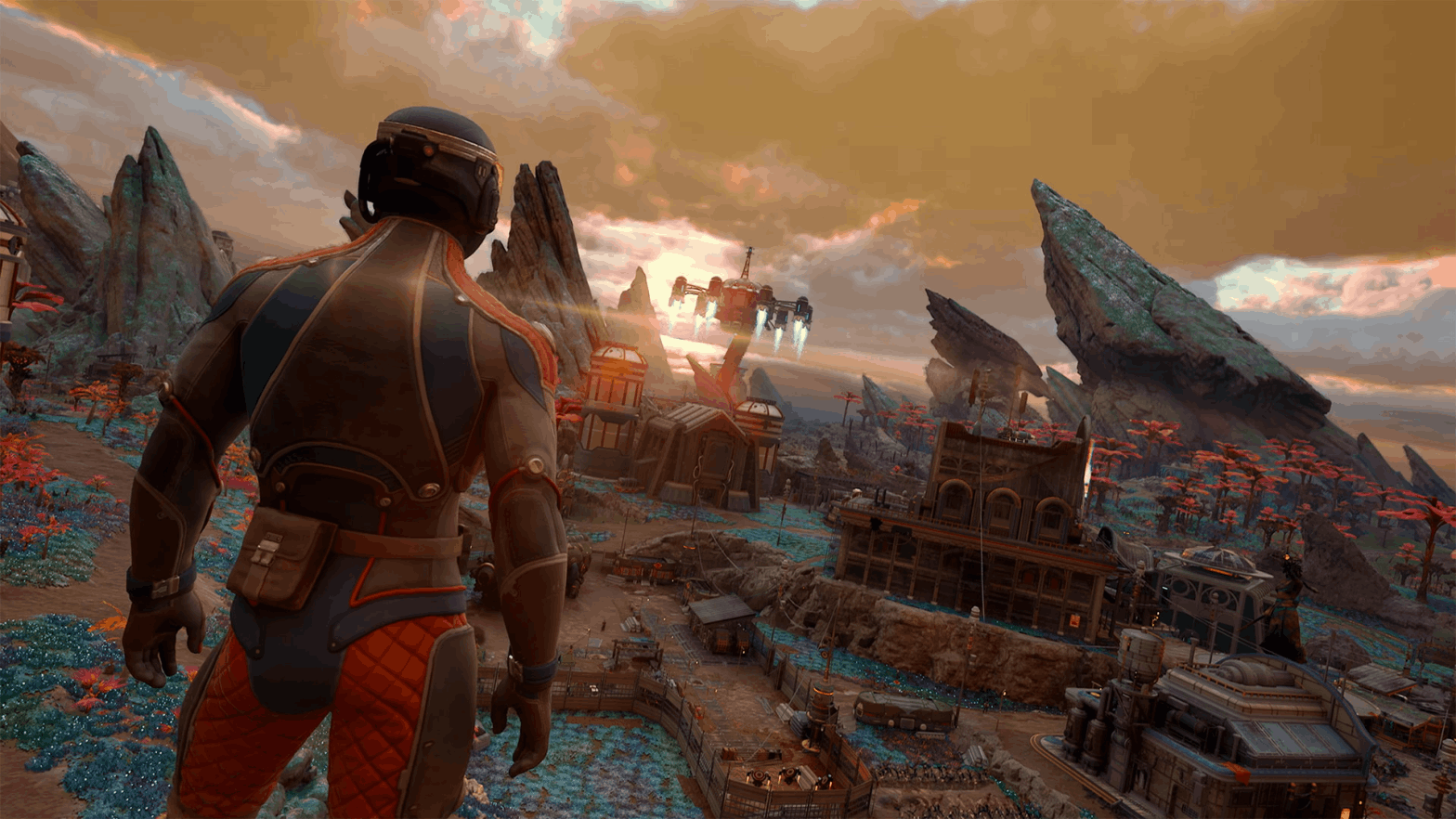
Some of the most memorable experiences in modern gaming come from wandering through game worlds that feel alive and meaningful. These digital spaces are built not only for gameplay but also for atmosphere, encouraging players to slow down and appreciate detail. In many cases, it is the sense of discovery within exploration games that creates lasting impressions, especially when every corner hides something unexpected. Whether moving through vast deserts or dense forests, players often find themselves drawn to beautiful locations that feel handcrafted and intentional, shaping a quiet but powerful emotional connection.
One of the defining strengths of open world games is their ability to offer freedom without strict direction. Players can choose their own path, often drifting away from objectives simply to enjoy the environment. In these moments, game worlds become more than settings; they transform into living ecosystems filled with subtle stories. The design of beautiful locations plays a crucial role in shaping emotional responses, making exploration feel rewarding even without traditional goals, especially in modern exploration games that prioritize curiosity over structure.
Exploration games often emphasize curiosity over structure, encouraging players to interact with environments in organic ways. Instead of rushing forward, players learn to observe light, sound, and movement within game worlds. This attention to detail helps create immersion, especially in open world games where scale and variety are central features. Many beautiful locations are designed to evoke emotion, whether through isolation, warmth, or mystery, reinforcing the player's connection to the experience and deepening engagement with exploration games as a whole.
The appeal of game worlds lies in their diversity. Some are grounded in realism, while others embrace fantasy or science fiction, yet all share the goal of creating believable beautiful locations that invite exploration. In open world games, this diversity allows players to shift between different moods and landscapes within a single journey. Exploration games benefit from this variety, as it keeps curiosity alive and encourages continuous discovery across ever-changing game worlds that feel expansive and unpredictable.
Beyond visuals, game worlds are shaped by sound design, environmental storytelling, and pacing. These elements work together to make beautiful locations feel authentic and memorable. In open world games, ambient sounds and distant landmarks guide exploration without explicit instruction. Exploration games rely heavily on this subtle guidance, rewarding players who pay attention to detail and choose to wander off the beaten path through richly crafted game worlds that feel both immersive and responsive.
Ultimately, the value of game worlds is found in the personal meaning players attach to them. A single view from a mountain peak or a quiet moment in a forgotten village can define an entire experience. Beautiful locations often remain in memory long after the game is finished, especially in open world games that allow freedom of movement. Exploration games continue to evolve, but their core appeal remains unchanged: the joy of discovery and the desire to see what lies beyond the next horizon within endlessly inspiring game worlds.