Why Exploration Games Matter
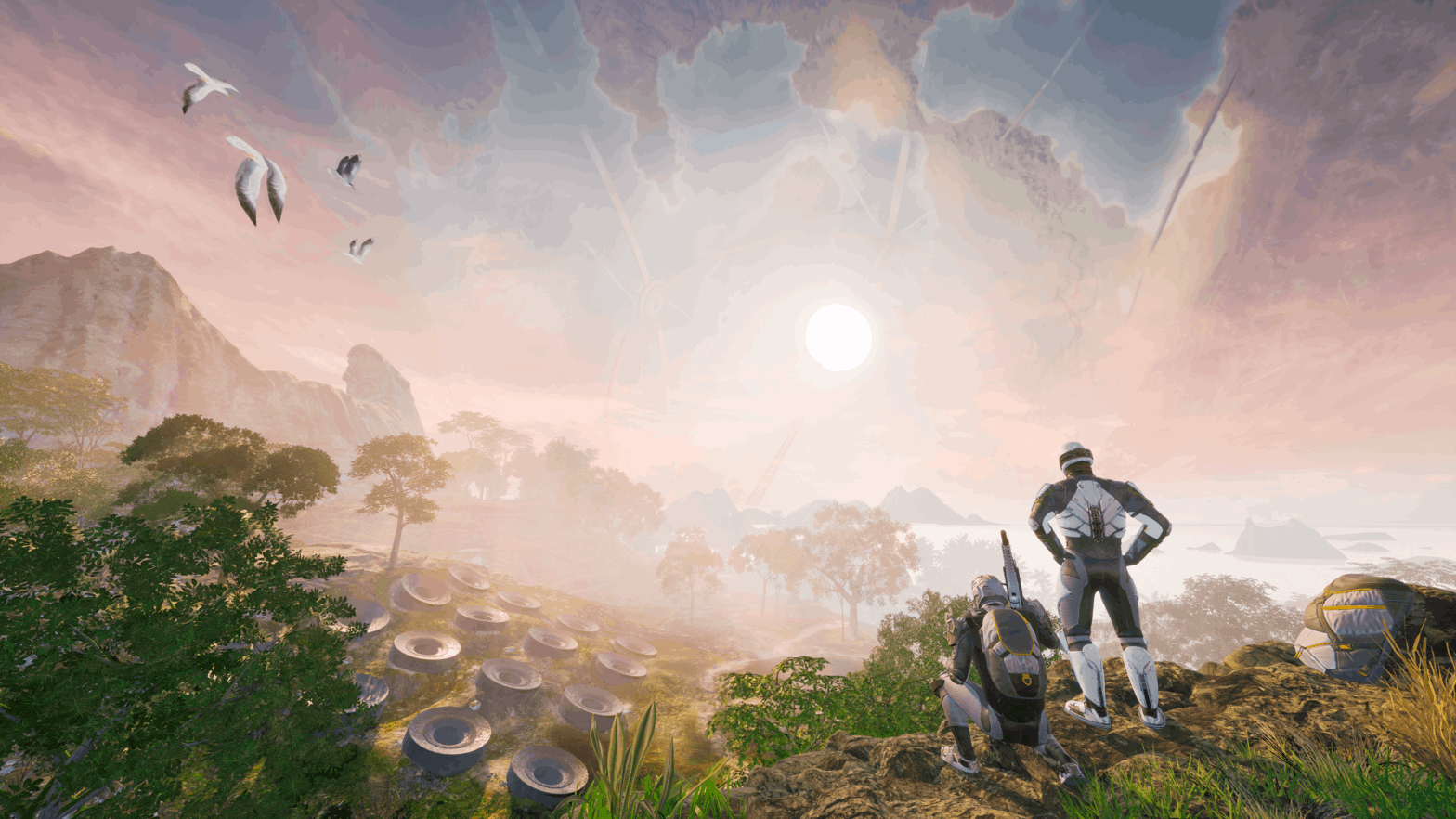
Exploration games have become an important part of modern interactive entertainment because they allow players to experience game worlds in a slower, more thoughtful way. In many open world games, the focus shifts from competition to discovery, where beautiful locations encourage curiosity and reflection. These game worlds are not just backdrops but living spaces, and exploration games give players the freedom to engage with them at their own pace. The appeal of open world games often lies in how they present beautiful locations that invite wandering and observation, making game worlds feel personal and immersive.
One reason exploration games matter is their ability to create emotional connections through game worlds that feel handcrafted and meaningful. In many open world games, beautiful locations are designed to evoke specific moods, from calm landscapes to mysterious ruins. Exploration games emphasize these details, allowing players to interpret game worlds in unique ways. The experience of moving through open world games filled with beautiful locations makes exploration games stand out, as they encourage players to build their own understanding of game worlds without strict direction.
Another important aspect is how exploration games influence the way players interact with open world games and their game worlds. Instead of rushing through objectives, players are encouraged to appreciate beautiful locations and notice subtle environmental storytelling. This approach makes exploration games more reflective, as game worlds become spaces for personal discovery. In open world games, beautiful locations often serve as landmarks that guide curiosity, and exploration games use these elements to deepen engagement with game worlds.
Exploration games also matter because they expand the creative possibilities of game worlds across different genres. In open world games, developers can design beautiful locations that range from realistic cities to fantastical landscapes. Exploration games take advantage of this variety, allowing players to move freely between different styles of game worlds. The presence of beautiful locations in open world games ensures that exploration games remain visually and emotionally engaging, reinforcing the importance of game worlds as artistic creations.
Ultimately, exploration games matter because they redefine how players perceive value in game worlds. Instead of focusing only on goals, open world games and exploration games highlight the importance of beautiful locations and atmosphere. These game worlds become meaningful through experience rather than completion, and exploration games encourage players to slow down and observe. The lasting impact of open world games often comes from beautiful locations that stay in memory, proving why exploration games continue to shape the future of game worlds.