Memorable Locations In Games
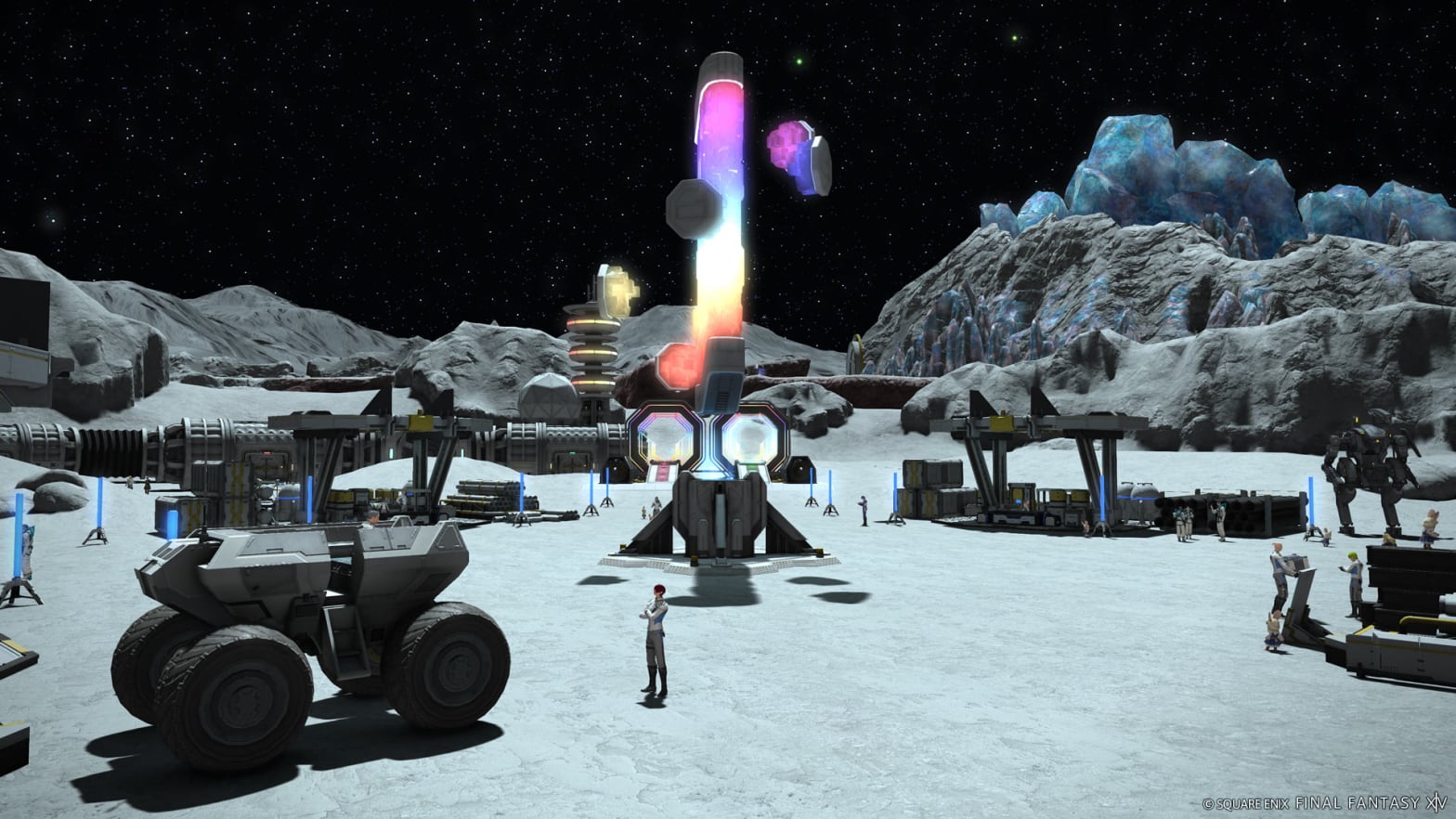
Memorable locations in games are often what players remember most long after leaving a session, especially when they are deeply connected to game worlds that feel alive and carefully designed. In many open world games, these spaces are not just decorative backgrounds but meaningful parts of the experience, where beautiful locations create emotional impact through scale, lighting, and atmosphere. Exploration games often highlight these moments by encouraging slow movement and attention to detail, allowing players to fully absorb the feeling of game worlds shaped by artistic intention.
One reason memorable locations in games stand out is the way game worlds are structured to guide curiosity without forcing direction. In open world games, beautiful locations often act as natural landmarks that draw players toward discovery, making exploration feel organic rather than scripted. Exploration games enhance this effect by removing pressure and allowing players to simply exist within game worlds, observing how beautiful locations change with time, weather, and perspective. This combination makes open world games particularly effective at creating lasting impressions through exploration games design principles.
Another important factor is emotional association, where game worlds become tied to personal experiences within open world games. A quiet valley, a distant mountain, or a glowing city can become unforgettable beautiful locations when discovered during exploration games. These moments are shaped by freedom, as game worlds allow players to arrive at locations unexpectedly, making each discovery feel personal. In open world games, beautiful locations are often designed with layered detail, and exploration games encourage players to notice those layers within game worlds at their own pace.
Memorable locations in games also depend on variety and contrast within game worlds. Open world games frequently shift between different biomes and environments, ensuring that beautiful locations never feel repetitive. Exploration games use this diversity to maintain curiosity, as players move through game worlds that constantly present new visual and emotional tones. Whether it is a peaceful coast or a ruined structure, open world games rely on beautiful locations to keep exploration games engaging and to strengthen the identity of game worlds as evolving spaces.
Sound and atmosphere further enhance how game worlds shape memorable locations in games. In open world games, ambient audio, weather effects, and lighting changes transform beautiful locations into living environments. Exploration games emphasize these subtle details, making players more aware of how game worlds respond to movement and time. This sensory depth ensures that open world games feel immersive, while exploration games turn beautiful locations into emotional anchors within game worlds that remain in memory.
Ultimately, memorable locations in games endure because game worlds are designed to be experienced rather than simply completed. Open world games give players the freedom to define their own journey, and beautiful locations become milestones within that personal path. Exploration games reinforce this by prioritizing discovery over direction, allowing game worlds to unfold naturally. As a result, open world games and exploration games together create beautiful locations that stay with players, proving how powerful carefully crafted game worlds can be when shaped by freedom and curiosity.